
GLP-1 Medications Are a Tool… Not the Whole Toolbox
 GLP-1 Medications Are a Tool… Not the Whole Toolbox
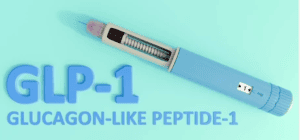
Lately, I’ve had more and more clients quietly ask me a question that surprised me. “You’re not going to be upset that I’m taking a GLP-1 medication…are you?” The hesitation makes me a little sad.
Some people assume that because I’m a Functional Nutritionist, I’m automatically against medication. That somehow I’ll hand them a celery stick, pat them on the head, and send them off to meditate in the woods. Not exactly.
The truth is, I don’t judge anyone for choosing a medication that helps improve their health. Ever. What I care about is helping people use every tool available to create the healthiest future possible. Would I love to see a world where our food system, work schedules, stress levels, sleep habits, and healthcare actually supported health instead of constantly competing against it? Absolutely. But that isn’t the world most of us live in.
Many people have spent years battling constant hunger, food noise, insulin resistance, hormone changes, chronic stress, menopause, poor sleep, and a metabolism that feels like it’s operating with the parking brake on. Heck, I’m still a “work in progress” in post menopause after 10 years of dramatic mind, body and emotional shifts in perimenopause.
If a GLP-1 medication helps quiet that constant battle, that can be incredibly meaningful. For many people, it finally gives their brain enough breathing room to make different choices, and that’s where I get excited. Not because the medication is doing all the work, but because it creates an opportunity to do the work that truly changes your health.
Think of It Like This…Imagine you’ve hired movers to help you move into your dream home;
- The medication helps carry the heavy furniture.
- But it doesn’t unpack the boxes.
- It doesn’t decide where the furniture belongs.
- It doesn’t organize the kitchen.
- And it definitely doesn’t clean out the junk drawer.
Lifestyle is what turns the house into a home! The same thing is true for your health. Weight Loss Isn’t the Entire Story, in fact weight loss is a SYMPTOM of the story. One of the biggest misconceptions surrounding GLP-1 medications is that every pound lost is body fat. Our bodies aren’t quite that simple.
Whenever we lose weight—whether through dieting, illness, surgery, or medication—we typically lose a combination of body fat, water, glycogen, and lean body mass. That lean body mass includes something incredibly valuable…Muscle.
Muscle isn’t just about looking toned in a sleeveless shirt. It’s one of the most metabolically active tissues in your body:
- It helps regulate blood sugar.
- It supports healthy hormones.
- It improves insulin sensitivity.
- It protects your bones.
- It keeps you independent as you age.
- It even acts as one of your body’s largest “glucose storage tanks,” making it easier to manage blood sugar after meals.
That’s a pretty impressive job description. And as we get older, that muscle is much harder to hold on to and gain. But that’s another blog…
The goal isn’t simply to lose weight. The goal is to lose what isn’t serving you while protecting what keeps you healthy. The Conversation We Aren’t Having Enough of. Here’s something that doesn’t get talked about nearly enough:
- GLP-1 medications reduce appetite.
That sounds wonderful until you realize something important. When you aren’t very hungry, it becomes surprisingly easy to under-eat the very nutrients your body desperately needs. My favorite “FFP”-Healthy Fat/Fiber/Protein
- Protein.
- Fiber.
- Healthy fats.
- Minerals.
- Hydration.
Many people unintentionally begin eating less of everything—not just fewer calories. That’s where lifestyle medicine becomes incredibly important, and the education around it. Your body still needs building materials every single day.
- Your hormones still need nutrients.
- Your liver is still processing hormones and environmental toxins.
- Your gut bacteria still need fiber to thrive.
- Your immune system still depends on good nutrition.
- Your cells don’t suddenly say, “Well, she’s eating less…guess we’ll stop requiring vitamins.”
Unfortunately, biology doesn’t negotiate. The Lifestyle Piece Is “Where the Magic Happens”! So, if you’re using a GLP-1 medication, I encourage you to think beyond the prescription. This is an opportunity to rebuild the foundation.
- Prioritize protein at every meal so your muscles have the building blocks they need.
- Strength train—not because you’re trying to become a bodybuilder—but because your muscles need a reason to stick around. Even two or three resistance sessions each week can make a tremendous difference over time.
- Fill your plate with colorful plants that nourish your gut microbiome. Those trillions of bacteria influence metabolism, inflammation, immune health, hormone balance, and even appetite regulation. They deserve a seat at the table, too.
- Don’t forget healthy fats. Your brain, hormones, cell membranes, and nervous system rely on them every single day.
- Learn how foods affect your blood sugar, energy, mood, cravings, and sleep. Those lessons stay with you long after any prescription changes.
- Manage your stress—not because stress is “bad,” but because your nervous system influences digestion, blood sugar, inflammation, recovery, and hormone balance. Chronic stress can quietly work against nearly every health goal you’re trying to accomplish.
And please…Sleep. This is where I started. It’s not where you have to start, but please know that it’s an integral part of your wellness foundation! Sleep is where your body repairs muscle, regulates hunger hormones, supports insulin sensitivity, and resets your brain for another day. It’s difficult to build health on an exhausted foundation.
My Favorite Way to Think About GLP-1 Therapy: I don’t see GLP-1 medications as a shortcut, I see them as a window. For some people, they create a rare period where food noise quiets down enough to finally build sustainable habits, and that’s an incredible opportunity. Because eventually, whether you’re taking the medication for months or years, what carries you forward isn’t the prescription, it’s the lifestyle you’ve built while using it.
- The meals you’ve learned to enjoy.
- The strength you’ve developed.
- The muscle you’ve protected.
- The gut you’ve nourished.
- The stress you’ve learned to manage.
- The sleep you’ve started protecting.
- The confidence you’ve gained.
Those things don’t come from a prescription bottle, they come from the choices you make every-single-day.
And here’s the best part…
None of those choices need to be perfect. They simply need to move you forward. At Forward and Up Wellness, that’s always been the goal. Not chasing perfection, but building a body that supports the life you want to live—one meal, one walk, one night’s sleep, one strength workout, and one small decision at a time.
Because the medication may open the door, but your lifestyle is what allows you to walk through it.
Five Things I Wish Every GLP-1 Prescriber Talked About
There are a few other pieces of the GLP-1 conversation that I wish received more airtime. Not because everyone taking these medications will experience problems, but because knowing what to pay attention to gives you the opportunity to be proactive rather than wondering later, “Well…why didn’t anyone mention THAT?”
1. Hydration and electrolytes matter more than you might think.
When you’re less hungry, you may also eat and drink less without realizing it. Add slower digestion, possible nausea, diarrhea, or constipation, and hydration can become an issue rather quickly. Water matters, but so do minerals and electrolytes. Your muscles, brain, digestive system, blood pressure regulation, and energy production all depend on adequate fluid and mineral balance. In other words, your water bottle still has a job even when your appetite has taken a vacation.
There’s also “transition time”, the amount of time it takes for your meal to move through your digestive system and out your bottom. If this transition time slows, you run the risk of fermentation in the gut, potentially creating other digestive and metabolic issues such as SIBO, constipation, bloating and many more. So take another swig from that water bottle, you gut will thank you!
2. Your gut still needs to be fed.
GLP-1 medications slow gastric emptying, and digestive changes—including constipation—can occur. The answer isn’t simply “take something for constipation.” This is a wonderful time to look at the whole digestive picture.
Are you getting enough fiber? Enough fluids? Enough movement? Enough variety in your plant foods to support your microbiome? Are you tolerating the foods you’re eating well?
Eating less food can inadvertently mean feeding your gut microbes less, too. And since your microbiome participates in blood sugar regulation, immune function, inflammation, hormone metabolism, and even appetite signaling, we don’t want those little guys living on crumbs.
3. Your gallbladder deserves a seat at the table.
Significant or rapid weight loss—from any method—can increase the risk of gallstones and gallbladder problems. GLP-1 medications also carry warnings about gallbladder disease.
That doesn’t mean you should fear the medication. It means this deserves to be part of the conversation with your healthcare provider, particularly if you have a history of gallbladder problems or develop symptoms such as persistent upper abdominal pain, fever, or yellowing of the skin or eyes.
This is also another reason I don’t love the idea of simply eating as little as humanly possible because your appetite has disappeared. Nourishment still matters.
Which leads me to a brief conversation around your liver…many people already have a liver that’s struggle with detoxification, especially from a longer term unhealthy lifestyle. When the liver can’t function optimally, the gall bladder, bile and digestive processes are affected negatively. I’ll leave that conversation here for now, because I could talk liver health for days…it’s that important.
4. Metabolic health is about much more than eating less.
GLP-1 therapy can improve blood glucose regulation and insulin sensitivity for many people. That’s wonderful. But long-term metabolic resilience also comes from the things happening outside the prescription: maintaining muscle, moving throughout the day, sleeping well, managing stress, eating adequate protein and fiber, supporting your gut, and learning how your individual body responds to food.
The goal isn’t to become really good at eating less. The goal is to become really good at supporting your body.
That’s a very different skill set.
5. Let’s talk about the long game from the beginning.
One of the most valuable conversations you can have with your healthcare team is: “What does the long-term plan look like for me?”
For some people, GLP-1 therapy may be appropriate long-term. Others may eventually transition off or change medications. Either way, lifestyle shouldn’t be the emergency backup plan you pull out someday if the medication stops. Build it alongside the medication.
Use this time to discover meals that actually satisfy you AND support your need for healthy FFP. Learn how much protein helps you feel your best. Build muscle. Experiment with movement you enjoy. Strengthen your sleep habits. Support your nervous system. Feed your microbiome. Notice how stress affects hunger, digestion, blood sugar, and cravings. Because when you eat healthy nourishing food, it will fill you up faster and keep you satiated longer.
And perhaps most importantly, build trust in your ability to care for yourself. Because if GLP-1 therapy turns down the noise, lifestyle gives you an opportunity to hear something much more useful:
What does my body actually need?
That’s a conversation worth having.