
Fermented Foods: An Ancient Practice Your Gut Still Loves Today
There are some wellness trends that seem to appear overnight, capture everyone’s attention, and then quietly fade away. Fermented foods are not one of them.
In fact, fermentation has been supporting human health for thousands of years. Long before probiotics came in capsules and gut health became a popular topic, our ancestors were regularly consuming fermented foods as part of everyday life. They may not have understood microbiome diversity or bacterial strains the way we do today, but they understood something important: people felt better when fermented foods were part of their diet.
Modern science is finally catching up to what traditional cultures have known all along.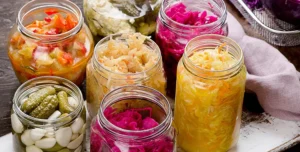
What Fermentation Actually Does
At its simplest, fermentation is a process where beneficial bacteria, and sometimes yeast, break down food in the absence of oxygen.
When vegetables are submerged in a salt brine and allowed to sit, naturally occurring bacteria called lactobacillus begin to multiply. These bacteria consume some of the natural sugars in the vegetables and produce lactic acid as a byproduct.
While that may sound simple, the transformation that follows is remarkable.
Fermentation changes food in ways that cooking simply cannot. The vegetables become easier to digest. Minerals become more bioavailable for your body to absorb and use. New beneficial compounds are created that were not present in the raw vegetable. Living beneficial bacteria begin to populate the food itself.
The result is a food that is often more nourishing, more bioavailable, and more supportive of digestive health than either the raw or cooked version. This is an important distinction. Fermentation was never simply about preserving food. It was nutritional enhancement by design. Our ancestors fermented vegetables because they recognized that these foods supported health, vitality, and digestion. The fact that fermentation also preserved food was simply an added benefit.
The Three Foundations of Traditional Fermented Foods
If you look across cultures around the world, you’ll notice that fermented foods appear again and again. Different foods, different traditions, but a remarkably similar principle.
Fermented Vegetables
Sauerkraut in German and Eastern European traditions. Kimchi in Korean cuisine. Pickled vegetables in Japan. Curtido throughout Central America. These foods were not occasional side dishes or trendy toppings. They were often considered foundational foods that accompanied daily meals. Even a small serving provided beneficial bacteria, digestive enzymes, and organic acids that helped support digestion and overall gut health.
Fermented Dairy
Kefir, yogurt, buttermilk, and aged cheeses all rely on fermentation. The fermentation process helps break down lactose, making dairy easier for many people to digest. It encourages the growth of beneficial bacteria such as lactobacillus and bifidobacteria and produces compounds like butyric acid, which may help support the integrity of the gut lining. Traditionally, fermented dairy wasn’t consumed as a supplement or a health product. It was simply food.
Fermented Grains and Legumes
Many traditional cultures also fermented grains and legumes before cooking them. Think sourdough bread, miso, and tempeh. Fermentation helps reduce compounds such as phytic acid, allowing minerals to become more available for absorption. It also begins breaking down some carbohydrates before they ever reach your digestive tract, making these foods easier to tolerate and often less inflammatory for many individuals.
When fermented vegetables, fermented dairy, and fermented grains regularly appeared on the menu, beneficial bacteria were continually being introduced into the digestive system. The gut wasn’t expected to thrive on occasional support. It received consistent nourishment every day.
How Fermentation Changes Food
One important thing to understand is that fermented foods only provide their living bacteria when they remain alive. Raw sauerkraut is not the same as cooked sauerkraut. Heating fermented foods to high temperatures destroys many of the beneficial bacteria created during fermentation. If your goal is to receive the probiotic benefits, fermented vegetables should be consumed raw or only very gently warmed.
During fermentation, bacterial populations increase dramatically. Research has shown that sauerkraut brine can contain extraordinarily high concentrations of lactic acid bacteria during active fermentation. But the benefits extend beyond probiotics alone.
Fermentation creates organic acids such as lactic acid and acetic acid. These acids lower the pH of the food, helping support digestion and nutrient absorption. They also contribute to the food’s natural preservation, which is why properly fermented foods can remain stable for extended periods. Fermentation can also increase certain B vitamins, create compounds such as GABA, and break down fibers into forms that may be easier for the body to utilize.
In many ways, fermentation upgrades the nutritional profile of the original food.
The Living Probiotics Your Body Has Known for Generations
Today, many people think of probiotics primarily as supplements. While supplements certainly have their place, fermented foods offer something unique that cannot easily be replicated in a capsule.
Naturally fermented foods contain living organisms along with the compounds they create during fermentation. The bacteria arrive with their metabolites, organic acids, enzymes, and food matrix intact. It’s a complete ecosystem.
A probiotic supplement often contains isolated strains attempting to survive the digestive process on their own. Fermented foods provide a diverse collection of microorganisms alongside the environment that helps support them. Perhaps that’s why traditional cultures didn’t rely on probiotic supplements. They simply ate fermented foods. Daily. And their digestive systems benefited from the consistency.
Modern research continues to support this ancient wisdom. A Stanford University study published in 2021 demonstrated that a diet rich in fermented foods increased gut microbiota diversity while reducing several markers of inflammation in healthy adults.
Why Fermented Foods Are More Than a Supplement
One of the challenges with modern health culture is that we often try to isolate the “active ingredient” and package it into a pill. Nature doesn’t always work that way. Fermented foods represent a complete biological system. The bacteria, enzymes, organic acids, and food structure all work together. It’s a partnership rather than a single ingredient.
Your digestive system has been interacting with fermented foods for thousands of years. There is something beautifully simple about returning to practices that have supported human health across generations. Sometimes the most powerful health strategies aren’t new at all. They’re simply old wisdom rediscovered.
Where to Start
If fermented foods haven’t been part of your routine, there is no need to overhaul your entire kitchen tomorrow, start small.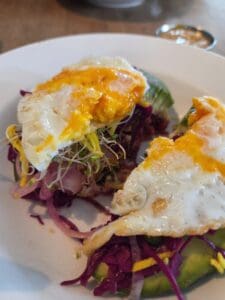
- Look for a refrigerated, naturally fermented sauerkraut that contains only simple ingredients such as cabbage and salt. Begin with a tablespoon alongside a meal each day.
- Consider adding kefir if dairy works well for your body. A small serving daily can be an easy way to introduce fermented foods into your routine.
- And if you’re feeling adventurous, making your own sauerkraut is surprisingly simple. Cabbage, salt, a jar, and a little patience are often all that’s required.
The key is consistency, not perfection (sound familiar to our “progress over perfection?”). Over time, many people notice improvements in digestion, steadier energy, healthier skin, and a greater sense of overall well-being. That shouldn’t surprise us. For generations, cultures around the world understood that when the gut is supported, the rest of the body tends to benefit as well.
The good news is that these foods are still available to us today. The knowledge hasn’t been lost. The practices haven’t disappeared. Sometimes all that’s missing is the simple habit of bringing them back to the table.
One of my favorite fermented food dishes, a beet burger base with pickled red onions, egg, hummus, avocado and additional goodness!
References:
- 1. Wastyk HC, et al. Gut-microbiota-targeted diets modulate human immune status. Cell. 2021. https://pubmed.ncbi.nlm.nih.gov/34256014/
- 2. Touret T, Oliveira M, Semedo-Lemsaddek T. Putative probiotic lactic acid bacteria isolated from sauerkraut fermentations. PLoS One. 2018. https://pmc.ncbi.nlm.nih.gov/articles/PMC5851565/